About All Tours From Las Vegas ToursHiking ToursHelicopter ToursDriving ToursHorseback ToursSunset ToursElectric Bike Tours Directions Hours & Fees
Find Tours 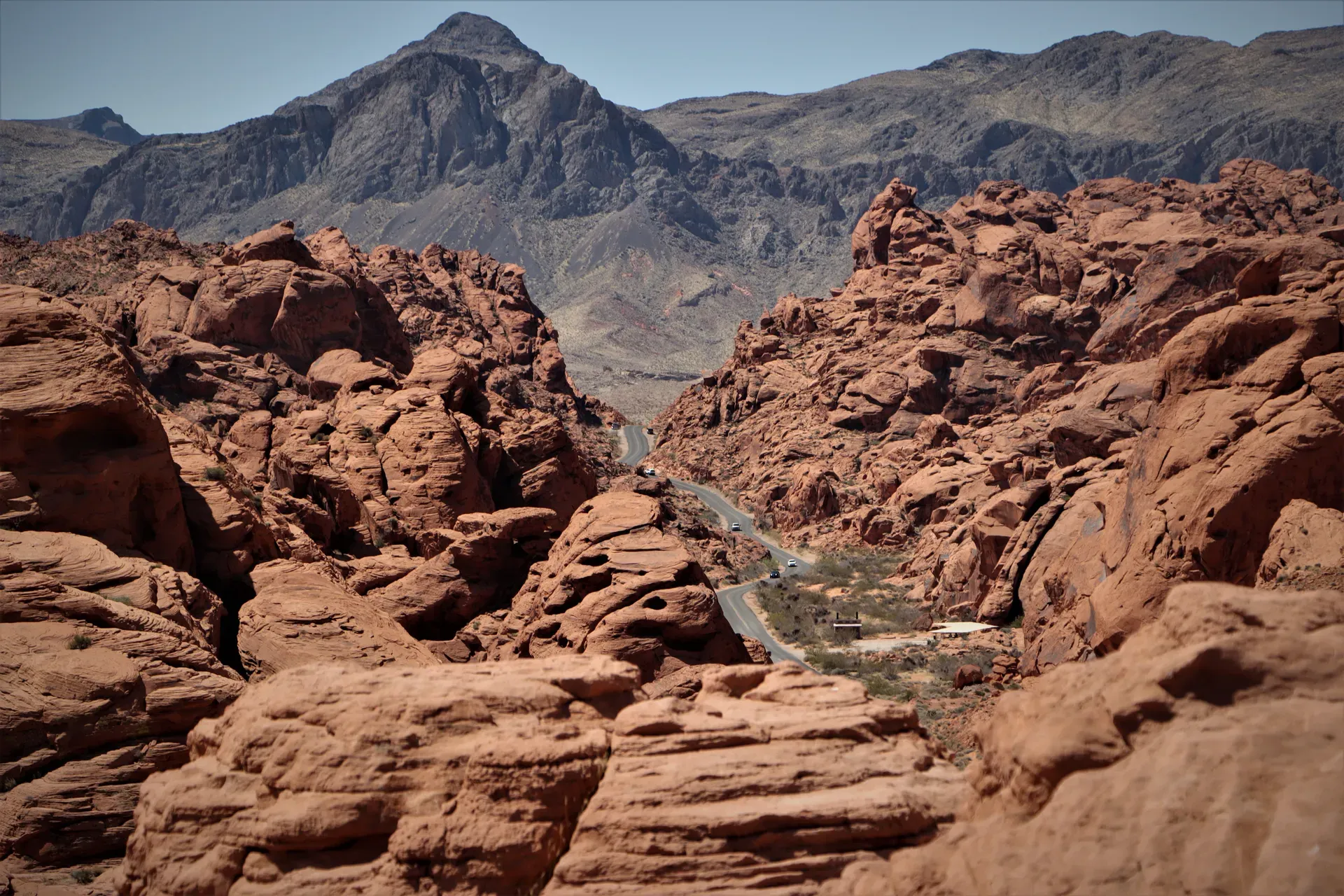
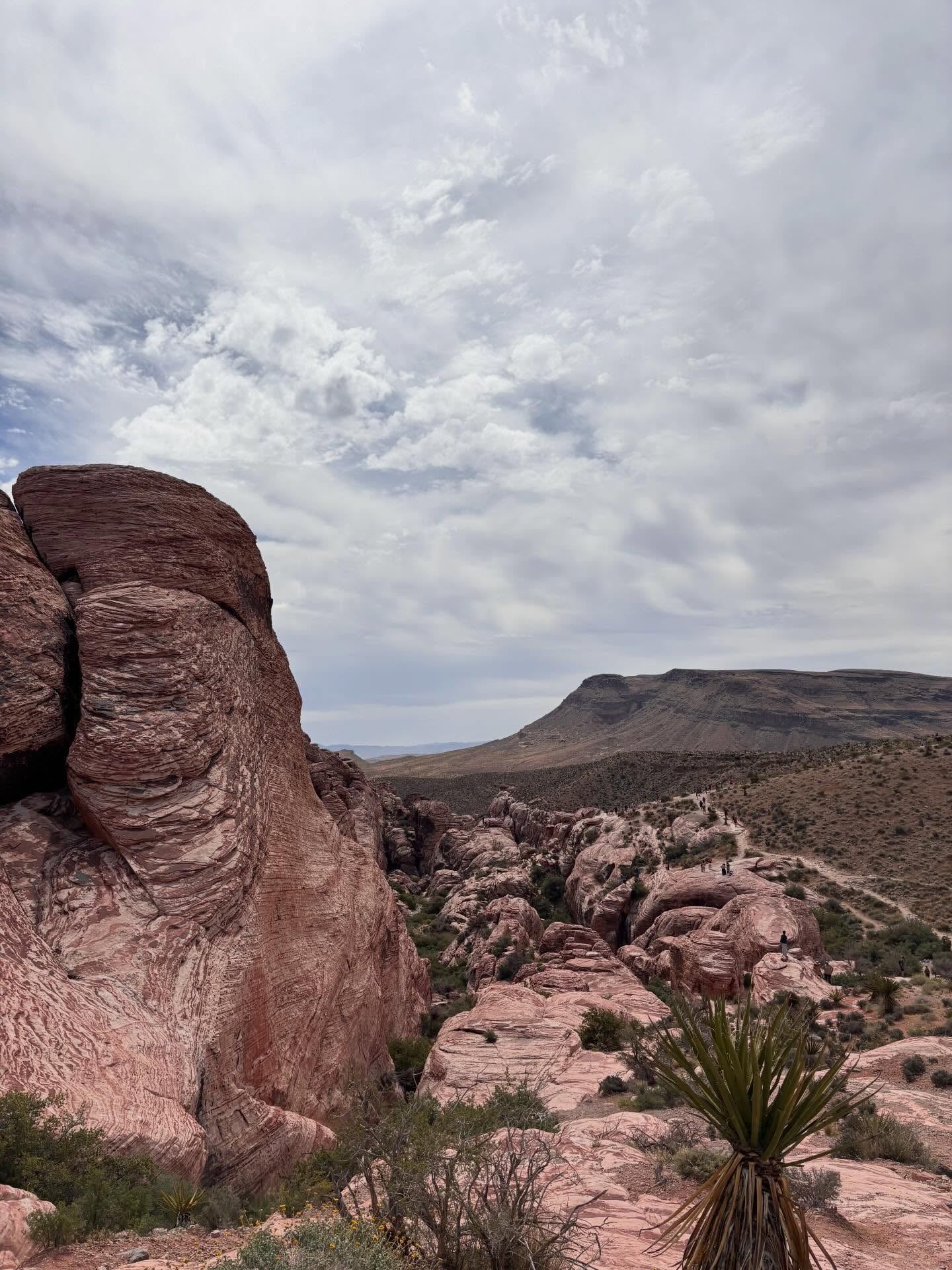
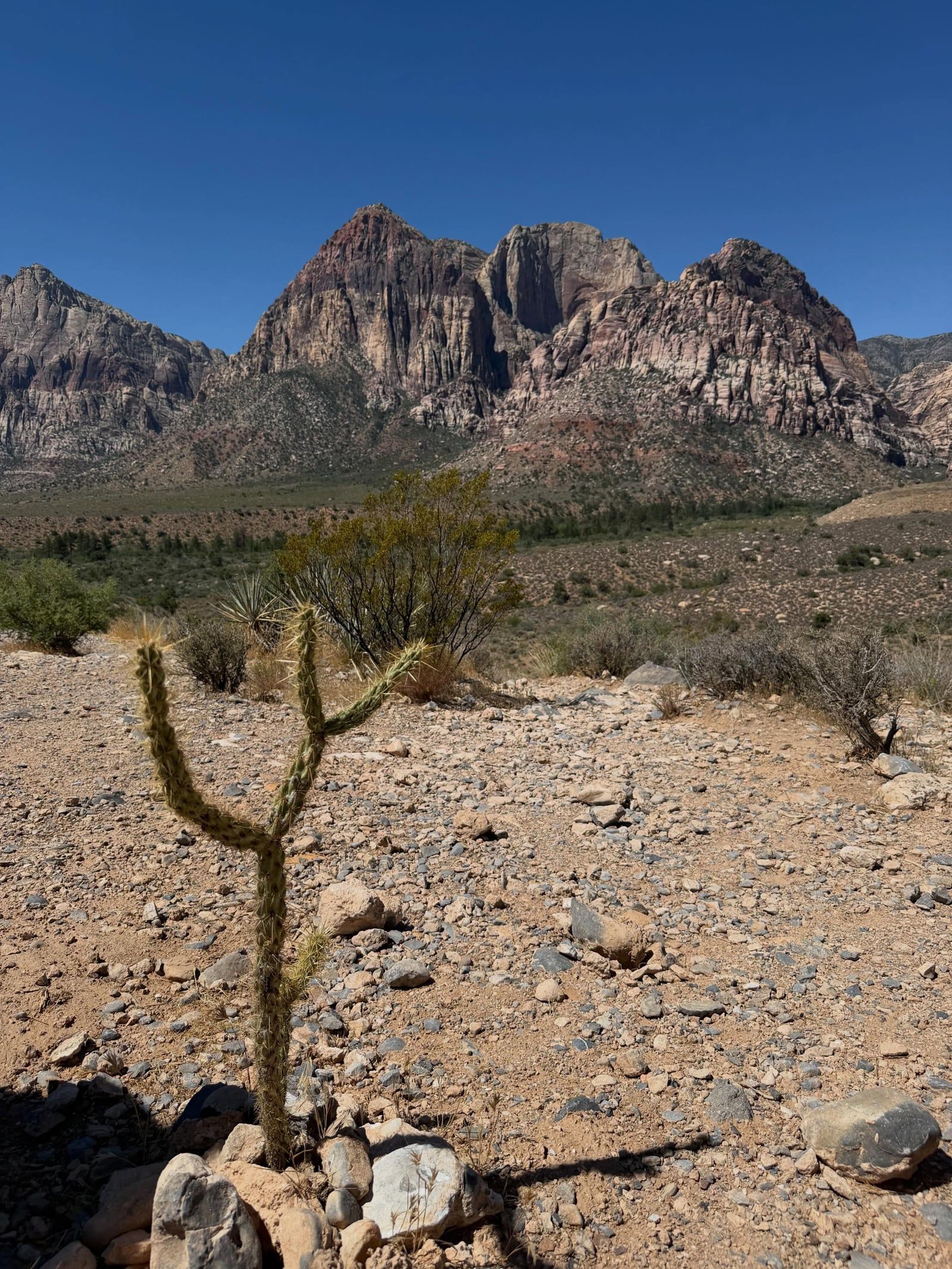
Located just 17 miles west of the Las Vegas Strip, this 195,819-acre conservation area features a 13-mile scenic drive winding through the Mojave Desert. Visitors can hike past 3,000-foot high red sandstone cliffs, view ancient petroglyphs, or tackle more than 2,000 established rock climbing routes.
Find Guided ToursRed Rock Canyon National Conservation Area spans 195,819 acres of the Mojave Desert, located just 17 miles west of the Las Vegas Strip. Managed by the Bureau of Land Management, this geological landmark draws more than three million visitors annually. The landscape is defined by massive red sandstone formations and sheer cliffs that reach up to 3,000 feet high. It serves as a major outdoor recreation hub, standing out as one of the top rock climbing destinations in the United States with over 2,000 established routes.
Long before modern recreation, the canyon served as the ancestral home to Indigenous peoples, including the Southern Paiute and Ancestral Puebloans. These early inhabitants left behind a rich cultural record of petroglyphs, pictographs, and roasting pits. In the early 20th century, the Excelsior Company briefly ran an uneconomical sandstone quarry in the northern section, leaving large stone blocks behind. Preservation efforts took shape in 1967 when 62,000 acres were protected, eventually leading to its official designation as Nevada's first National Conservation Area in 1990.
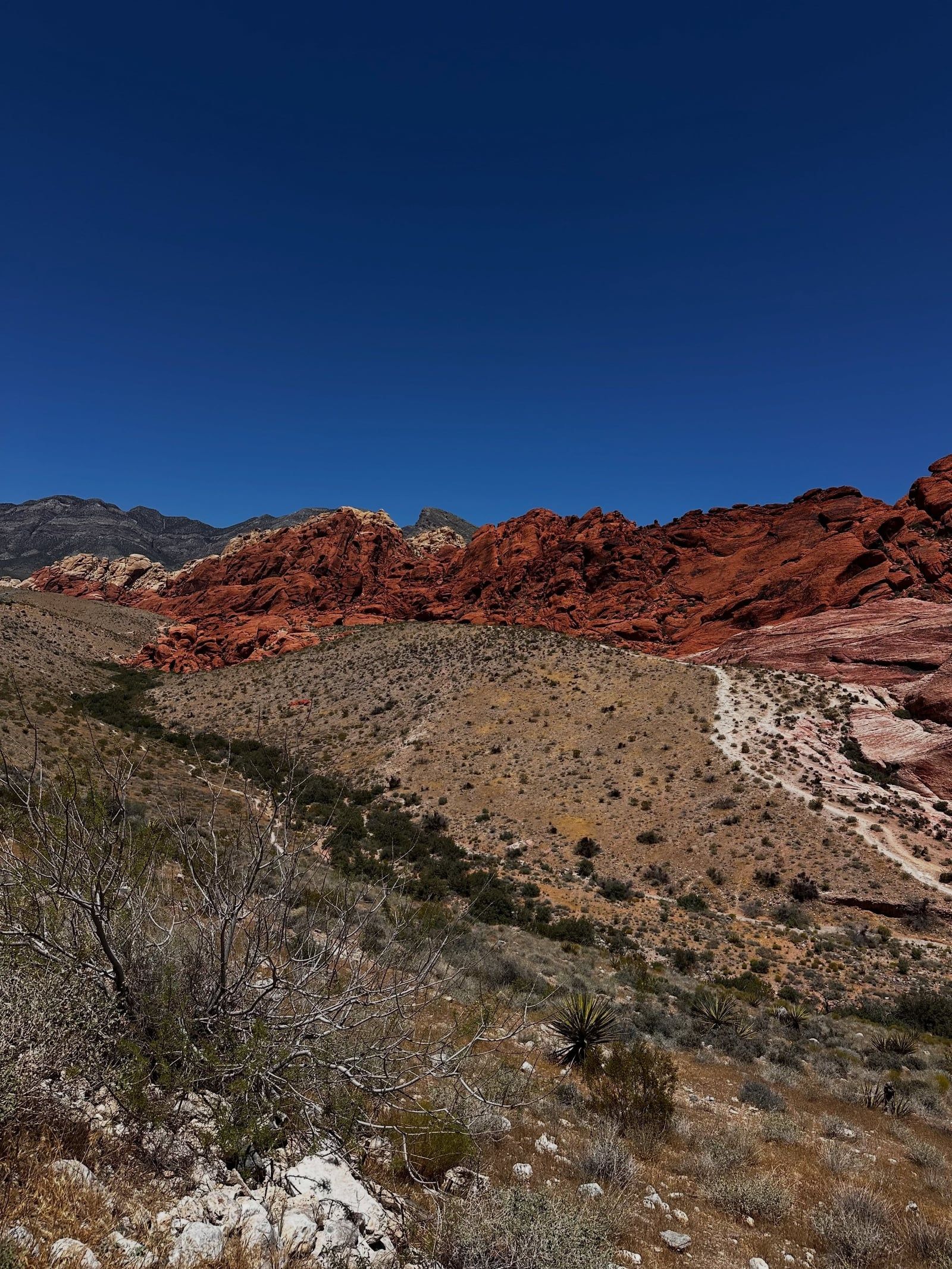
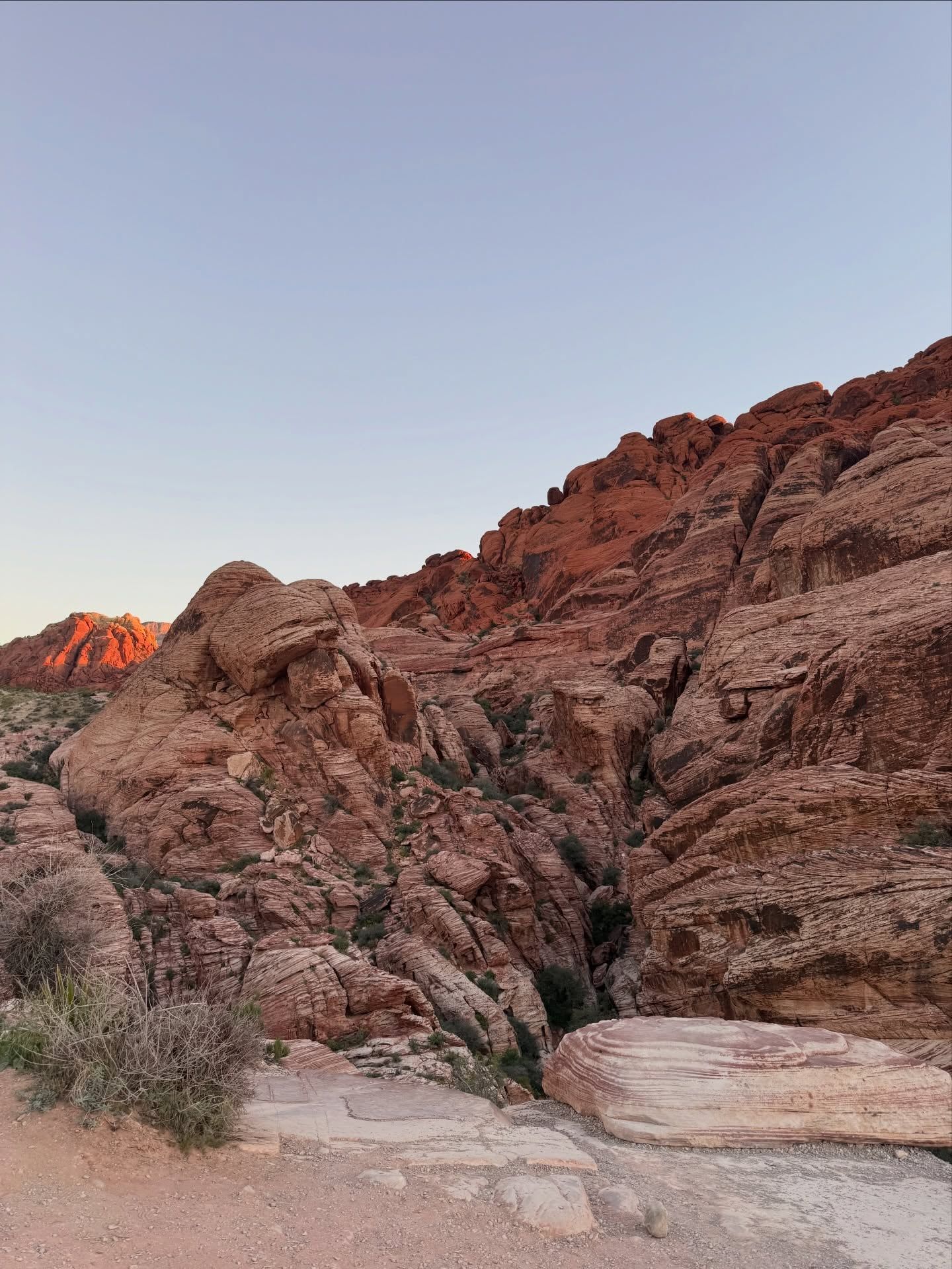
The defining feature of the canyon is its Aztec Sandstone. These rock formations were created from ancient desert dunes that compacted over millions of years. During the Mesozoic Era, tectonic activity shaped the landscape further by forming the Keystone Thrust Fault. At this prominent geological site, older gray Paleozoic limestone was pushed directly over the much younger red Jurassic sandstone.
The resulting arid badland ecosystem is anchored by La Madre Mountain, which marks the highest elevation point at 8,154 feet. Despite the harsh desert environment, diverse flora and fauna survive here. Their existence is supported by a network of permanent water sources, including Red Spring, Calico Spring, and Ash Spring.
Discover the full history and cultural significance on our About page.
A one-way paved road winds directly through the Mojave Desert, allowing visitors to navigate the canyon's towering 3,000-foot red sandstone walls and dramatic limestone escarpments. Numerous paved pullouts line the route, providing direct access to trailheads and prime photography spots without requiring long hikes.
This 2.2-mile trek leads to a major North American geological feature. At the fault line, you can stand with one foot on 500-million-year-old gray Paleozoic limestone and the other on younger red Jurassic sandstone, created by tectonic activity during the Mesozoic Era.
Located near the Lost Creek Trailhead, the Petroglyph Wall preserves the rich cultural history of the Mojave Desert. The site features original petroglyphs and pictographs created thousands of years ago by the region's ancestral inhabitants, including the Southern Paiute and Ancestral Puebloans.
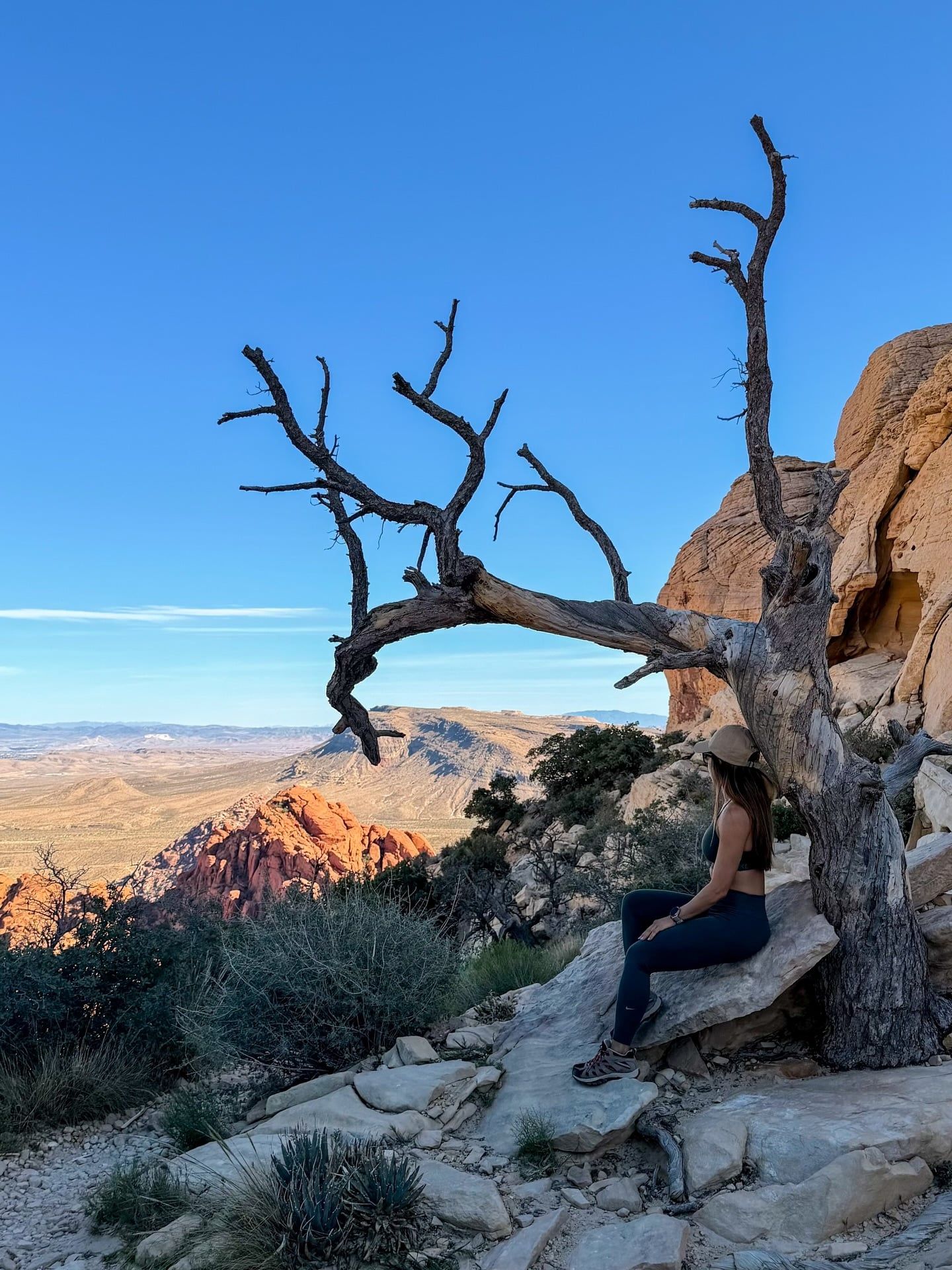
Hikers navigate a rugged wash of yellow and red Aztec sandstone on this 2.5-mile round-trip route. The trail terminates at a natural water pocket known as a tinaja. From this elevated vantage point, visitors look out over a clear panoramic view of the Las Vegas Valley.
Hand-picked tours with free cancellation and verified reviews
 Free Cancellation 4h
  Free Cancellation 4h 15min
  Free Cancellation 4h
  Free Cancellation 5h
  Free Cancellation 4h
  Free Cancellation 5h
  Free Cancellation 8h
  Free Cancellation 4h
 The optimal time to visit Red Rock Canyon is from October through April, when cooler temperatures create safe, pleasant conditions for hiking and rock climbing. Visitors should anticipate peak crowds and secure mandatory timed entry reservations during this period.
Spring offers excellent weather for outdoor activities and viewing seasonal waterfalls. March and April experience peak visitation, and timed entry reservations are required through May 31.
Temperatures frequently exceed 90 degrees, making outdoor activities highly dangerous due to heat exhaustion. The main campground closes completely between Memorial Day and Labor Day.
October and November provide cooler, pleasant weather ideal for rock climbing and hiking. This season sees heavy campground usage, and timed entry reservations resume on October 1.
Winter brings cold temperatures and common winds, requiring layered clothing. Despite the chill, these months remain excellent for hiking, with seasonal waterfalls flowing between December and April.
The 13-mile Scenic Drive opens daily at 6 a.m. year-round, with closing times varying by season: 5 p.m. from November through February, 7 p.m. in March and October, and 8 p.m. from April through September. On Thanksgiving and Christmas Day, the drive closes early at 12 p.m. (noon). The Visitor Center operates daily from 8 a.m. to 4:30 p.m. It also reduces its hours on Thanksgiving and Christmas Day, closing at noon.
| Category | Price |
|---|---|
| Private vehicle | $20 |
| Motorcycle | $10 |
| Bicyclist | $8 |
| Pedestrian | $5 |
| Commercial tour vehicle | $20 per vehicle plus $5 per passenger (excluding driver) |
| Red Rock Annual Support Pass | $50 |
| America the Beautiful Annual / Senior Lifetime Pass | $80 |
| America the Beautiful Senior Annual Pass | $20 |
| America the Beautiful Access / Military Pass | Free |
Timed entry reservations are mandatory for the Scenic Drive between October 1 and May 31 for visits occurring between 8 a.m. and 5 p.m. These must be booked in advance via Recreation.gov and incur an additional $2 processing fee.
For complete schedules and ticket prices, visit our Hours & Fees page.
Red Rock Canyon is located 17 miles west of the Las Vegas Strip. Because public transportation does not extend to the park, visitors must rely on driving a private vehicle or booking a commercial tour.
📍 Charleston Boulevard / State Route 159
Driving a private or rental car is the primary travel option for visiting the canyon. From the Las Vegas Strip, drive west on Charleston Boulevard, which transitions into State Route 159. This direct route leads straight to the Visitor Center and the entrance of the 13-mile Scenic Drive. Having a vehicle ensures full access to the scenic loop and its trailheads.
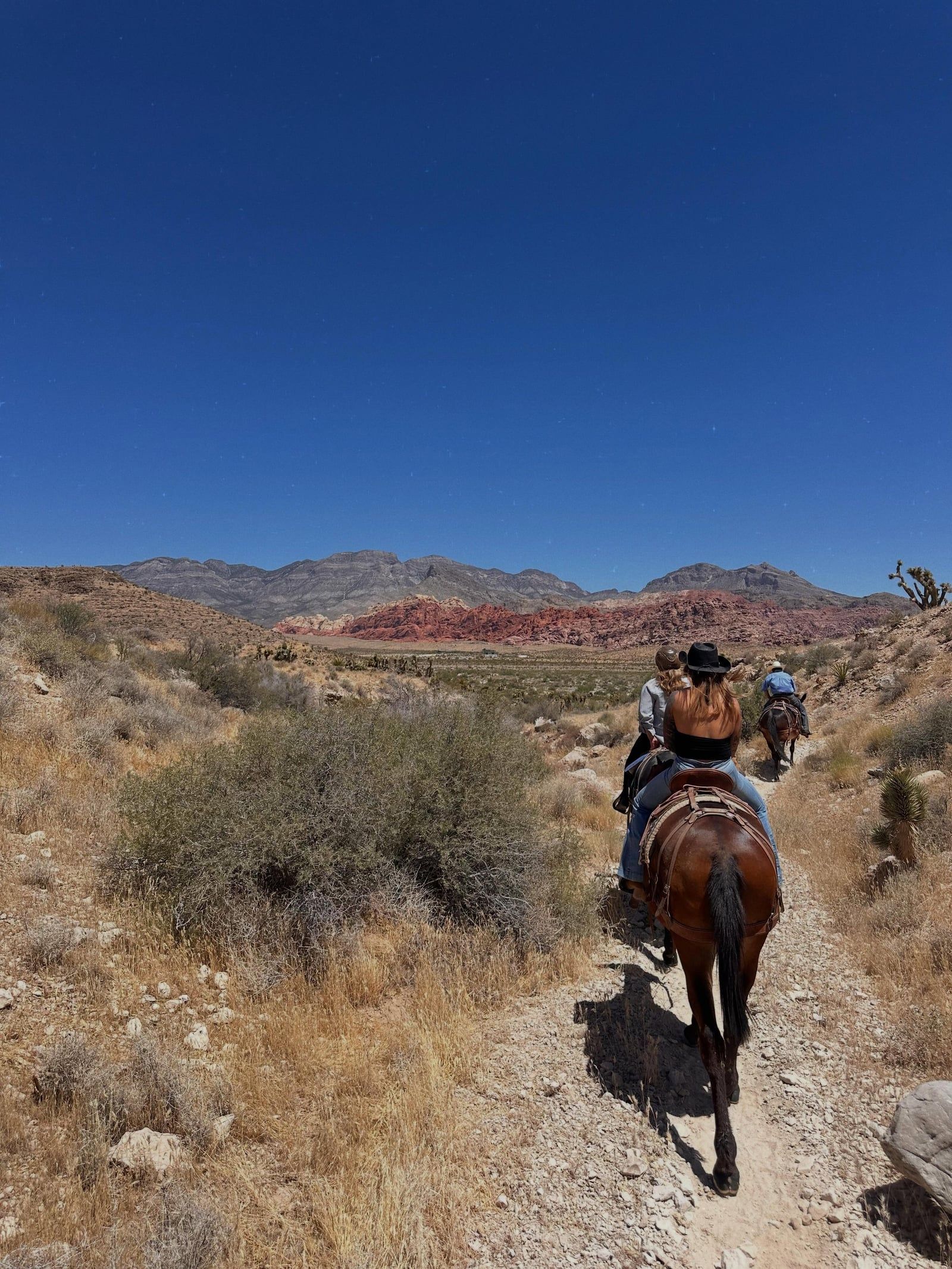
Booking a commercial guided tour is a practical alternative for visitors without a rental car. These organized trips typically include convenient hotel pickup and drop-off directly from Las Vegas. Special Recreation Permits are required for commercial guiding operations within the conservation area. Vehicles operating these tours face specific entry fees based on their total passenger count.
Taking a ride-share service to the Visitor Center is possible but highly discouraged. The conservation area lacks cell phone service, making it nearly impossible to call for a return ride to Las Vegas. Furthermore, ride-share users cannot access the majority of the 13-mile scenic loop without a private vehicle. If you choose this method, schedule your return pickup beforehand.
For detailed transport options and routes, visit our Directions page.
Between October 1 and May 31, visitors must secure a timed entry reservation to access the Scenic Drive from 8 a.m. to 5 p.m. Book your slot through Recreation.gov and pay the $2 processing fee early. Without this advance booking, gate staff will turn you away.
Cell phone service disappears completely once you pass the fee booth and enter the sandstone canyons. Download offline maps using apps like GAIA or Avenza before arriving. This lack of signal also means you should avoid using ride-share services, as you cannot call a car for your return trip.
The Visitor Center is the only location in the entire 195,819-acre conservation area with safe drinking water and refill stations. Carry at least one to two liters per person for short walks. If you plan to hike strenuous trails, increase that amount to a full gallon per day.
There are no food vendors or gas stations located inside the park boundaries. Pack a picnic lunch to eat at designated spots like the Red Spring Picnic Area. If you exit the 13-mile one-way loop to purchase food, you cannot re-enter without a brand new reservation.
The gates for the Scenic Drive open daily at 6 a.m. year-round. Arrive right at opening time to secure parking spots at the most heavily used trailheads, such as Calico Hills and Sandstone Quarry. These lots have limited capacity and regularly fill up completely by mid-morning.
Rock climbing on the Aztec sandstone is strictly prohibited within 72 hours of rainfall. Wet sandstone loses its structural integrity, making it extremely fragile. Climbing during this window creates severe safety hazards, as holds can easily break off and cause falls while permanently damaging the historic routes.
Located outside the gated scenic drive, this free area requires no reservations. It features a lush oasis fed by permanent springs and a fully accessible boardwalk. Visitors can utilize excellent picnic areas surrounded by red sandstone hills.
This state park is famous for brilliant red Aztec sandstone formations that appear to be on fire under the sun. Hikers can explore easy trails like the Fire Wave and White Domes. It provides an excellent complement to Red Rock Canyon.
Located just 17 miles east, the world-famous Strip provides a stark contrast to the quiet natural beauty of the canyon. Travelers can quickly transition from outdoor desert adventures to world-class dining and gaming. The drive takes only half an hour.
Read what travelers share about their experience visiting Red Rock Canyon — from practical tips to personal highlights.
Yes, timed entry reservations are required if you plan to drive the Scenic Route between October 1 and May 31. This applies to entries between 8 a.m. and 5 p.m. and must be booked through Recreation.gov for an additional $2 processing fee.
The daily entrance fee is $20 per private vehicle, $10 for motorcycles, $8 for bicyclists, and $5 for pedestrians. The park also accepts America the Beautiful passes and the $50 Red Rock Annual Support Pass.
Public transportation does not go to Red Rock Canyon, which is located 17 miles west of the Las Vegas Strip. While you can take a ride-share service to the Visitor Center, it is highly discouraged because there is no cell phone service in the park to call for a return trip.
The 13-mile Scenic Drive opens daily at 6 a.m. year-round. Closing times change with the seasons, shutting at 5 p.m. from November through February, 7 p.m. in March and October, and 8 p.m. from April through September.
A typical auto tour of the 13-mile loop takes 2 to 4 hours if you stop at the paved overlooks for sightseeing. If you plan to hike moderate trails like the 2.5-mile Calico Tanks, expect your visit to last between 4 and 8 hours.
You should bring at least 1 to 2 liters of water per person for short trails, and up to a gallon for strenuous routes, since the Visitor Center is the only water refill station. It is also essential to pack sturdy closed-toe shoes, sun protection, and offline maps downloaded to your phone.
Yes, the Visitor Center is fully accessible and offers a temporary wheelchair for loan. The park also features the Red Spring Boardwalk, a fully accessible 0.6-mile trail with a 60-foot elevation gain, handrails, and benches.
The best months to visit are from October through April when the Mojave Desert weather is cooler for outdoor activities. You should avoid the summer months from June through August, as temperatures frequently exceed 90 degrees and the campground is completely closed.
Browse verified tours with free cancellation and instant confirmation.
Find Tours